
Your calendar has finally cleared for the holiday you’ve been waiting all year for. That’s exactly when the real question shows up: do you let go completely, or do you protect the energy and mood you spent the whole year building?
If you try to follow every rule on holiday, you take away from the experience. If you let everything go, you may return feeling worse.
Why Does This Matter for Executives?
Most executives know how to relax on holiday. The challenge is returning to work with the same energy. How you feel in your first week back matters more than what you did during the holiday.
What Actually Happens to Your Energy on Vacation?
A 2025 review published in Cureus found something worth knowing before you plan your next trip. Wellbeing peaked around day eight of a 23-day vacation, and returned to pre-vacation levels within one week of resuming work (Giridharan & Pandiyan, 2025). The benefit fades fast once the routine that protected it disappears too.
That doesn’t mean vacations don’t work. What you do during the break and how you return to work matter more than the length of the trip.
Should You Try to Keep Your Routine on Holiday?
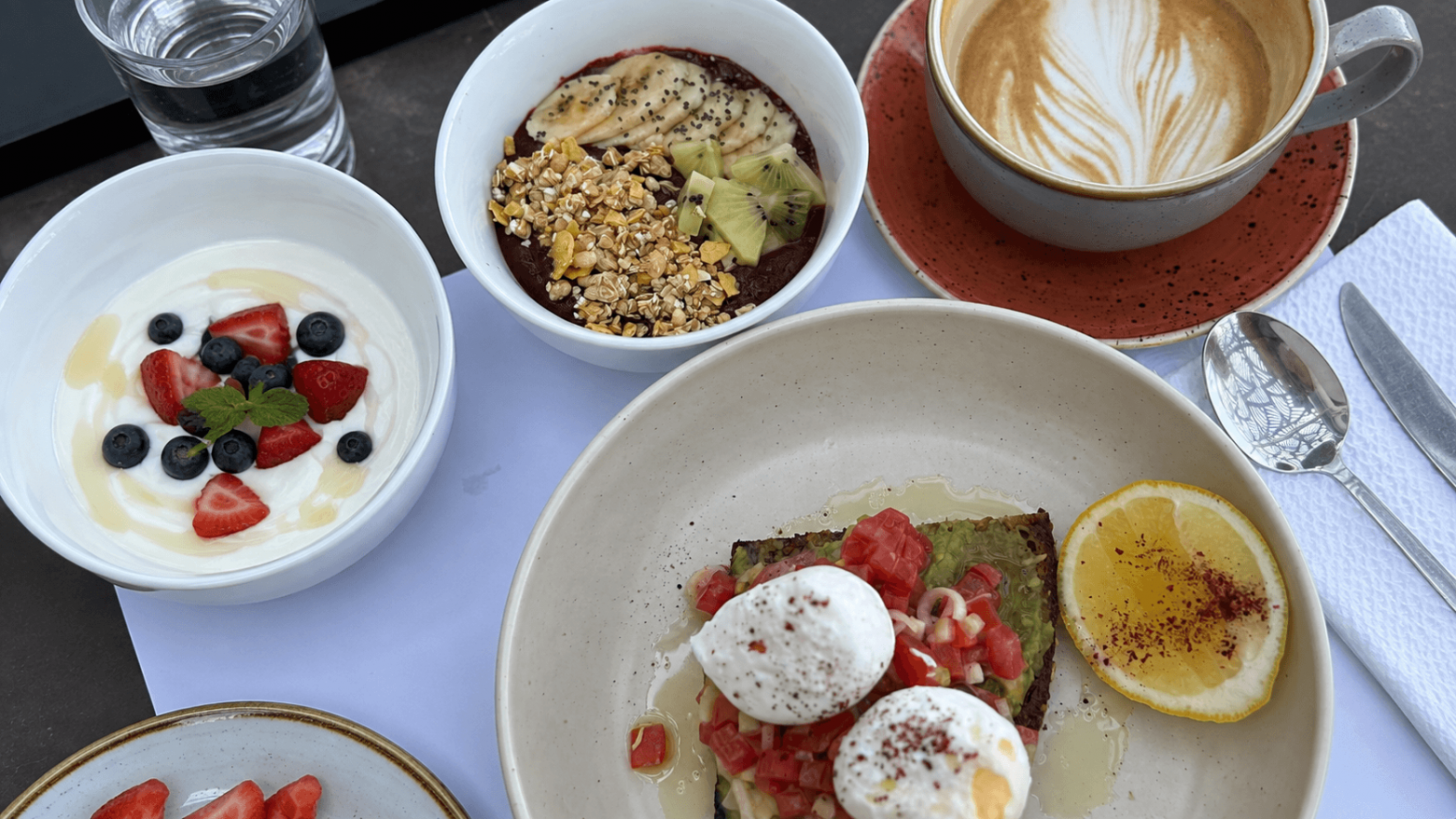
Yes, but it’s important to define what your routine actually is. For me, routine is my framework, the science behind nutrition: understanding food, its effects on the body, what the body needs in different situations, and how to navigate the food industry around you.
Before learning any of this, holiday used to mean a few extra kilos for me too. One of my clients told me she used to gain 3 to 4kg on every holiday. This year, she lost 1.5kg instead. She ate, drank, and felt great the whole time. It was never about giving up, it was about having a system and knowing how to navigate.
Many executives I talk to say they’ll eat and drink whatever they want on holiday. You still can, just with awareness. Without it, guilt creeps in instead, and guilt does more damage to a holiday than any single meal ever could. Know your choices are safe, and the results follow on their own.
What Actually Helps You Return with Energy, Not Depletion?
The answer is building something that sustains your energy and stabilizes your mood wherever and whenever you are, on a business trip, at the office, or on vacation. It has to be tailor-made to you, your life, your choices, the foods you like or avoid. Something designed for a broader audience, or for someone else, will not work for you.
Protect Your Sleep Anchor, Don’t Feel Guilty
If your body needs to sleep, let it sleep. It needs to recover, and this is the time to let it.
Eat with Awareness
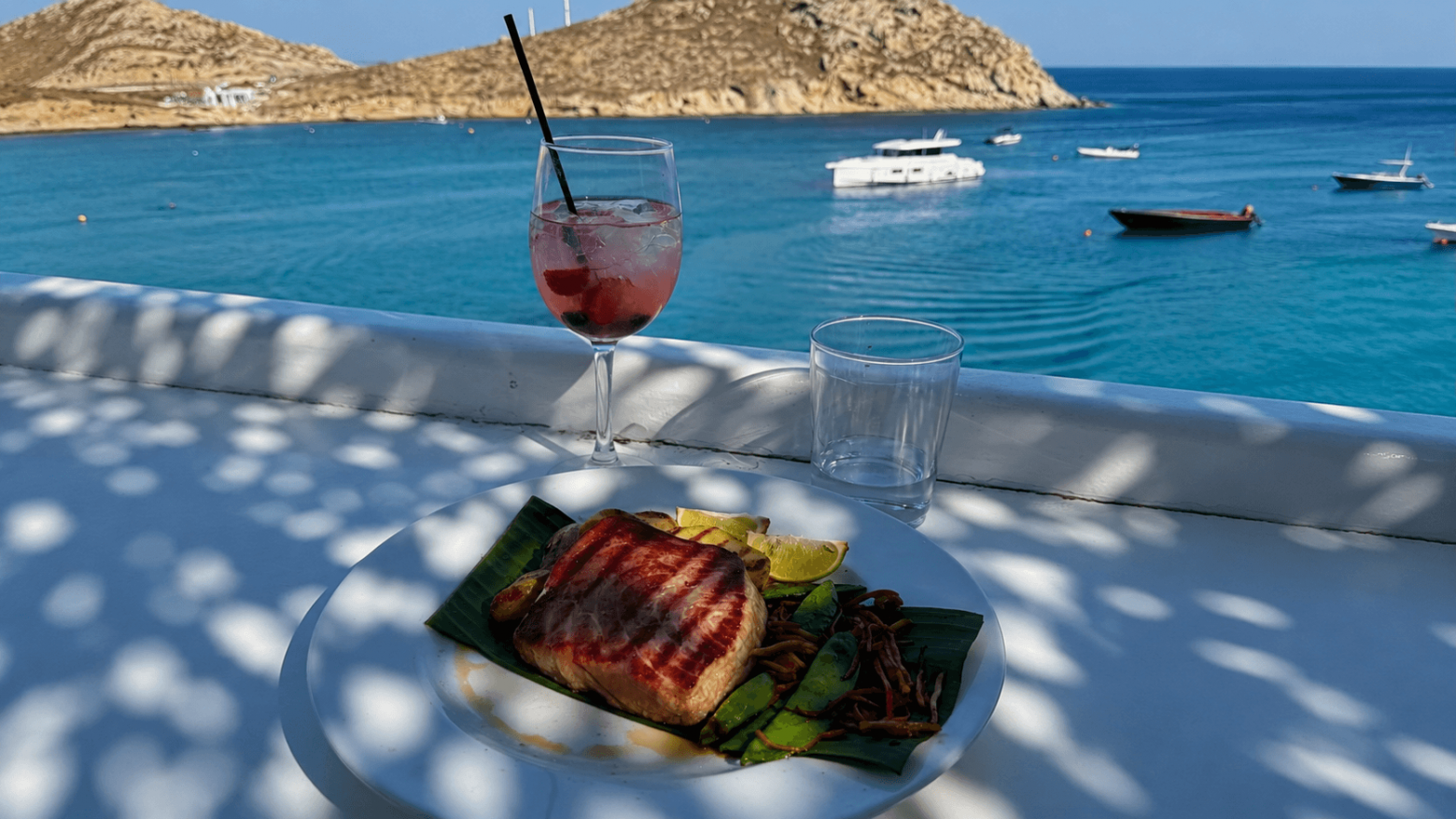
The misconception is that you can eat whatever you want on holiday. What about the effort you put in earlier? You’re not in your 20s, your body’s system functions differently now. You might assume you’ll take control back the first week after vacation, but what if an unplanned trip, a new responsibility, or an unforeseen crisis comes up instead? Executives are like athletes. Get this right, and you don’t have to worry about your holiday at all. Many of my clients who get this right return from vacation at the same weight, without any uncomfortable digestive issues, or return lighter on the scale. Give protein a real place on the plate alongside everything else. That one habit protects your energy without touching your enjoyment of the trip.
Stay Ahead of Dehydration, Especially by Flight or Heat
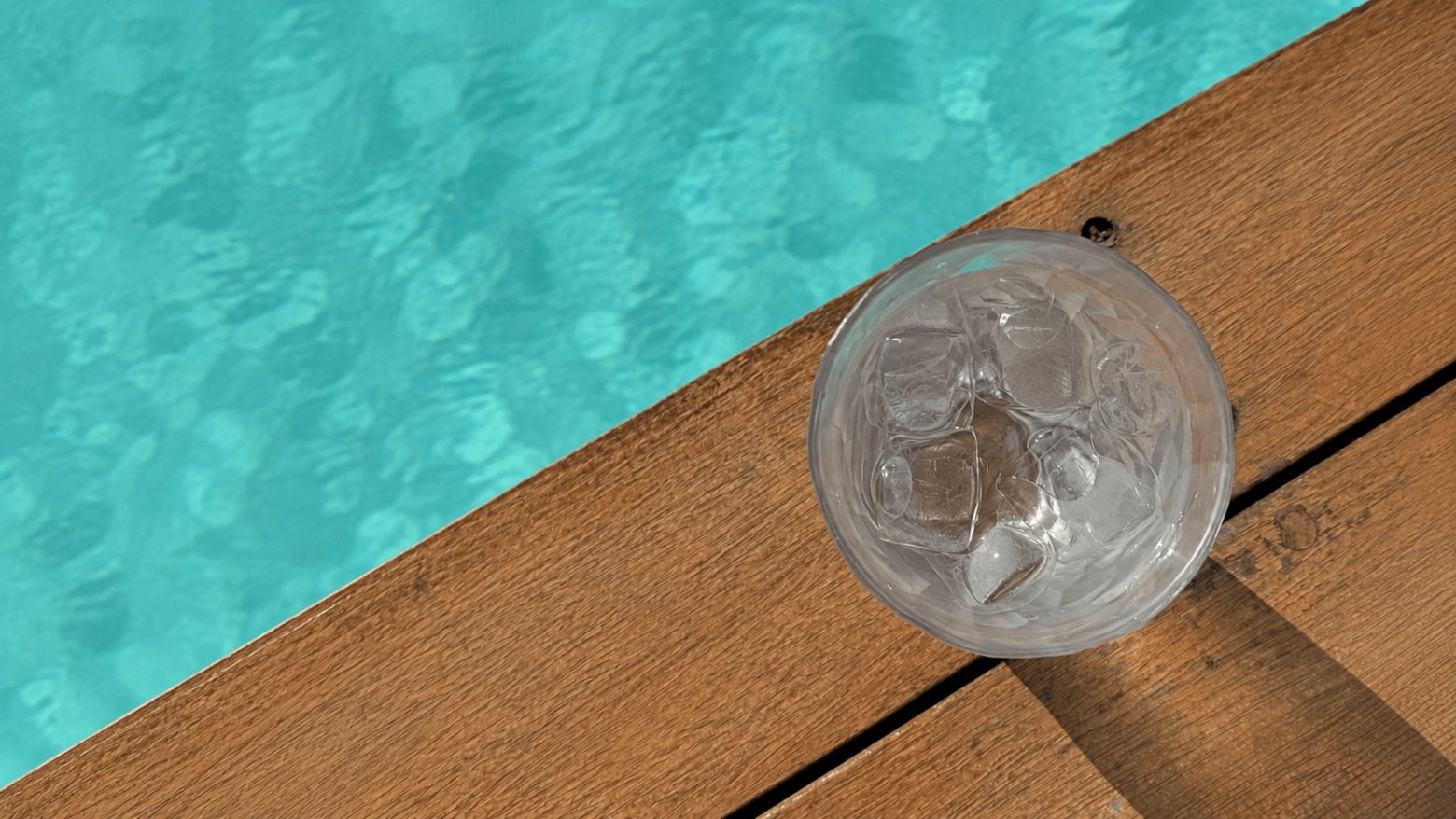
Long flights, hot climates, and extra drinks all pull water out faster than usual. Keep water visible the same way you would at your desk.
Move Because You Want To, Not Because You Have To
A walk through a new city, a swim, a hike, this counts. It doesn’t need to be a workout to matter.
Don’t Detox
Before my health transformation journey in 2020, I tried many diets on the market, and the last thing I remember was looking for a tea to make me lose fat, honestly. After many trials and errors, here is where I am now: detox doesn’t work for executives, because every day is another day you need to show up at 100 percent capacity, energy, focus, concentration. A vegetable juice, fruit juice, or tea will hold up until the first crisis. When the crisis comes, you’ll reach for the foods or drinks you decided to avoid, and then say you have to perform anyway. My clients and I eat comfortably and don’t sacrifice our holidays or our work afterward.
How Should Executives Think About This?
Most executives treat a holiday as either total indulgence or a routine they’re failing to maintain. Neither approach really helps. Focus on what you actually need to take with you: sleep, your system, hydration, and some movement. You can leave strict timing and discipline behind.
When you come back, you’ll feel energetic, at full capacity, and vacations will no longer be something you avoid or hesitate to take. They’ll be occasions to enjoy your time and recharge your body.
Key Takeaway
A holiday should not cost you your energy or mood. You also do not need strict discipline to enjoy it. What helps is having a system that fits your own life. Know your choices, eat and drink with awareness, and you can enjoy the holiday without making the return difficult.
Related Reading
Self-Empathy vs. Self-Discipline for Sustainable Habits
0 Comments