Running on coffee, skipping meals, drinking juices for the sake of “health”, then eating whatever is available between calls are common patterns for busy executives. However, later in the day, they may feel very tired, experience an energy dip at 4pm, get annoyed more easily, be temperamental to the team, or find it hard to think and focus.
For steady energy and stable mood, you need to know what you eat and what time you eat. The good thing is, none of these requires a rigid diet or extra time.
Why Does Food Affect Your Energy and Mood?
What and when you eat can make a noticeable difference to your energy and mood during the day. The effect can show up in how alert you feel in the late afternoon, how well you focus after your lunch, and even how easily you get irritated.
Sugary foods and refined carbs will spike your energy fast. Sometimes that’s exactly what you need. But it never lasts. Add protein or fiber and the energy sticks around much longer, and you stay fuller too.
You may notice the same pattern in your mood. Skipping meals or going too long without eating can make you feel more irritable and make it harder to focus.
Imagine that you’re a Ferrari. Even a Ferrari needs fuel to operate. When you fill the tank with the best fuel, you see the performance. However, if you say a Ferrari can operate without fuel or with water, you cannot drive it. This is how your system works when you drink only coffee.
Even a Ferrari needs fuel to operate.
Prioritize Protein at Each Meal
Protein at each meal can make a real difference, particularly if you tend to feel your energy dropping later in the morning or afternoon. It is good to opt for quality protein.
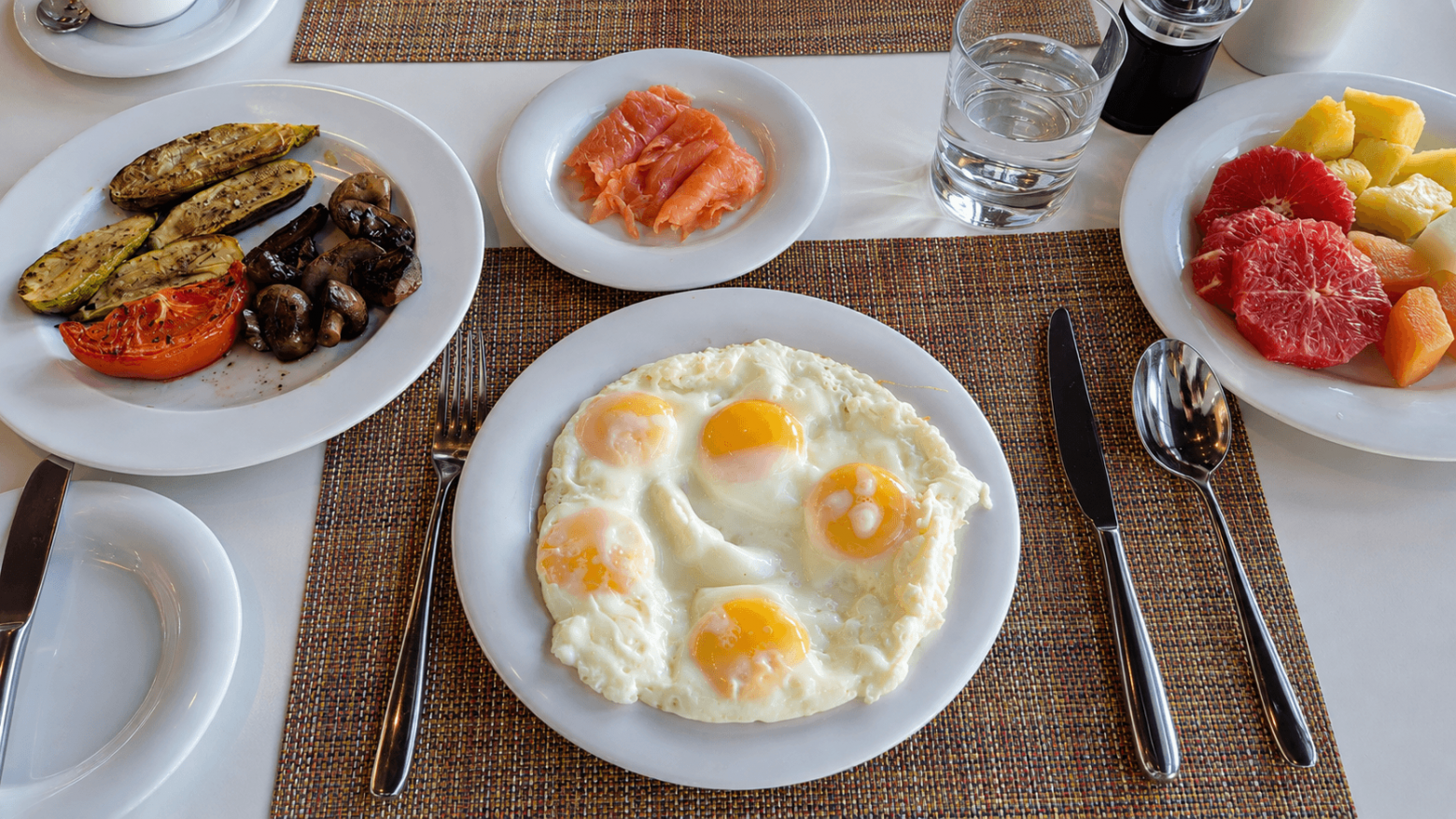
You don’t need complicated meals. Eggs, Greek yogurt, or high-protein options at a hotel breakfast buffet are good options. What matters is having a few options you can rely on consistently.
Eat Real Foods, Even on Busy Days
Not eating proper meals is one of the most common reasons for energy dips and mood swings among busy executives. Long gaps are an inevitable part of the business but it is very important what you eat when you can eat.
Personally, I have clients across time zones and on many days I cannot prioritize eating my meal, but my meals always have the right composition.
I never suggest a small protein bar, almonds or keto brownies as they are hidden calories. The rule is simple, be aware of what you eat.
Combine Carbohydrates with Protein and Fiber
If you are eating carbohydrates, combine them with protein, fiber, or fat. The energy tends to last much longer this way.
For example, fruit with yogurt will usually hold you longer than fruit on its own. I apply the same logic to bread, rice, or pasta.
Stay Hydrated
Water is the easiest thing to manage in a busy day, and it’s usually the first thing my clients forget. Even a little dehydration can make you feel more tired or short-tempered than you actually are. I also personally feel the difference if I am dehydrated.
What Should You Avoid If You Want Stable Energy?
Sugary drinks, pastries, candies, or chocolate on an empty stomach will spike your energy fast and crash it just as fast, and your patience and focus go down with it.
I spent many years in investment banking, and we had meetings lasting 6-8 hours. The conference rooms were full of pastries. Eating cookies on an empty stomach when I needed to be alert and awake was one of the worst experiences that I often remember. After the energy crash, I was naturally pushing for coffee to bring my energy back.
How Can Busy Executives Make This Work With Their Demanding Agenda?
A strict meal plan is not the right option. I always tell my clients that if something can fit into their lives naturally, then it can be sustainable. Executives have a full plate of responsibilities, rules and to-do items, and there is no room for extra stress.
The logic is having a structure that fits into your lifestyle. I prefer having two or three reliable options for breakfast, dinner, and snacks. When the day becomes busy, you already know what works and you do not need to make another decision.
This isn’t just about how you feel, by the way. A 2025 review of workplace nutrition research, published in Frontiers in Public Health, found that better nutrition is consistently linked to higher productivity and lower absenteeism, with one study showing a 10% productivity gain (Frontiers in Public Health, 2025). I see this play out with my own clients constantly.
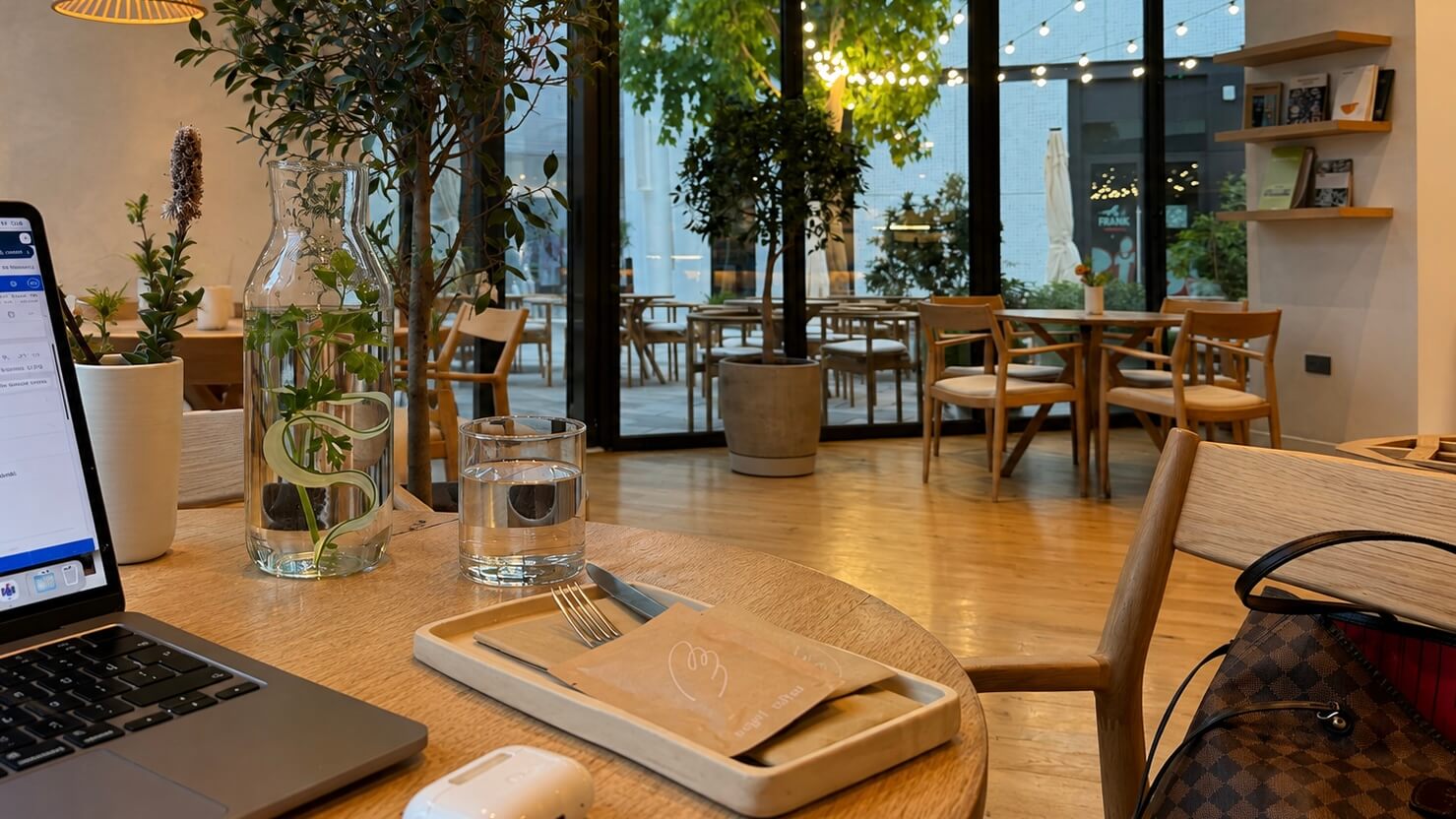
Executives do not need more food rules. They need a strategy that works when the schedule changes.
Food or Timing, Which One Is More Important?
It is not only about what you eat; it is also about when you eat. The misconception, as I experienced during my finance career and observe with executive clients, is not about having breakfast at 7:00am. It is the food order that helps avoid any spike. Consistent meal timing is not very practical. I was not able to achieve it in finance and am not able to achieve it even today as a coach.
For me, the rule is no rule. It’s always about having the right strategy and the right execution plan.
Key Takeaway
You do not need a strict diet to manage your energy and mood well. The basics are enough: protein, the right carbohydrates combined with fiber, and proper hydration. Once you know your two or three go-to meals, busy days become much easier to manage.
Related Reading
Why Generic Wellness Advice Fails Senior Executives
0 Comments