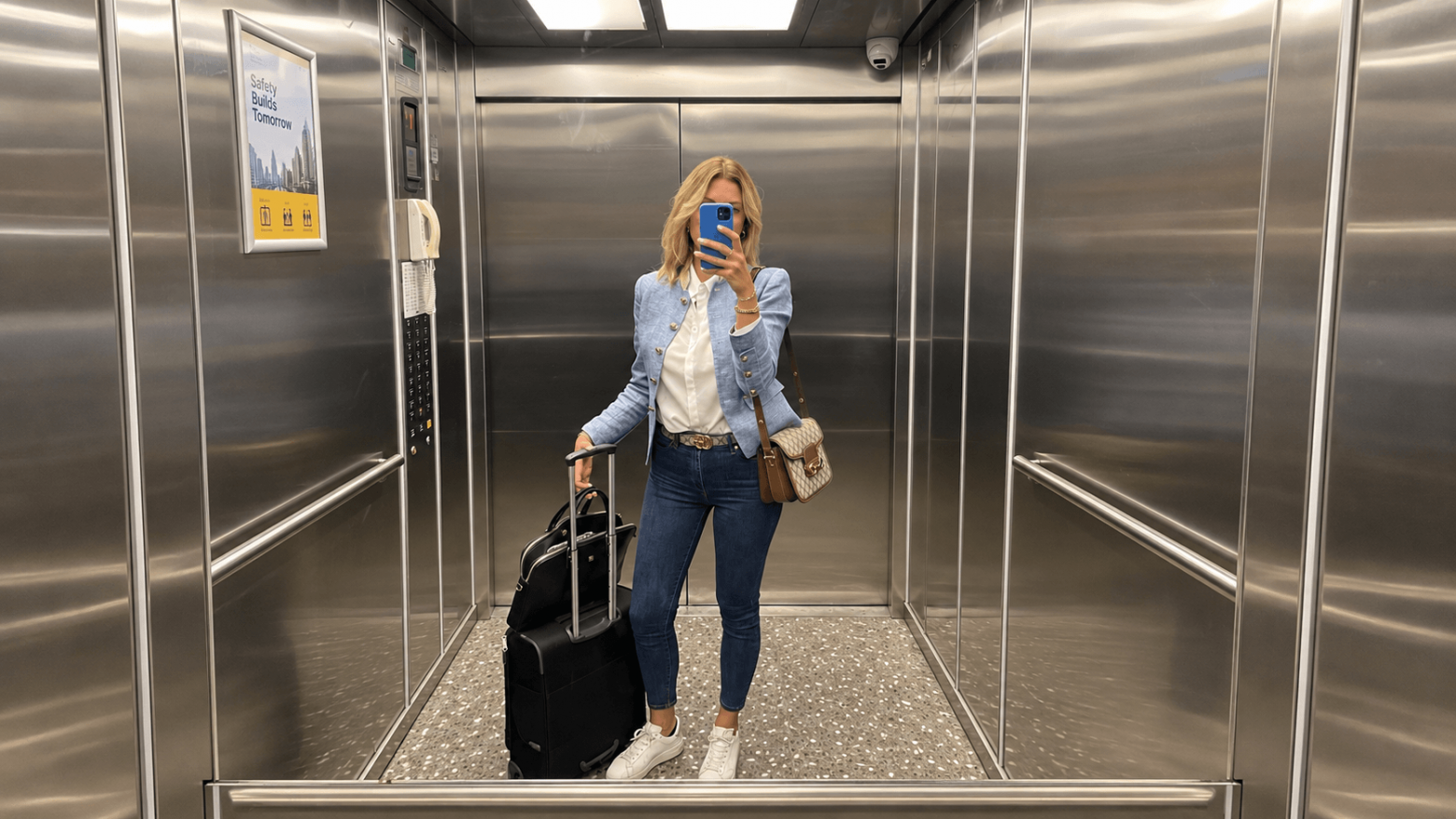
Most executives travel a lot, some across continents, some transcontinental.
All of them complain about one thing: their nutrition and exercise routines get disrupted, and they don’t know how to get back on track.
The thing is, they don’t need to let their nutrition get disrupted in the first place. A healthy body comes 80% from nutrition, 20% from exercise.
What’s Actually Happening
When you travel, three things usually change very quickly.
The first is nutrition. Meals stop being planned and start being whatever’s available, airport food, a working breakfast, room service after a late arrival. The body isn’t just getting different food, it’s getting different ingredients and preparation methods that you cannot fully control.
I hear this from my clients very often. They feel perfectly fine at home, and when they travel, they experience the effects of different ingredients as digestive issues, primarily bloating.
The second is gut health, and this is the one most people don’t think about at all. A well-known study from Duke University found that the gut microbiome can shift within a single day of a real change in diet. These bacteria play an important role in digestion and energy. Ten participants switched their diet and researchers saw measurable changes in gut bacteria composition almost immediately. (David et al., 2014, Nature) A business trip can create the same kind of abrupt dietary change: less fibre, more processed food, unfamiliar meals, and your gut can respond quickly.
And you may feel the effects beyond digestion too. The gastrointestinal tract produces more than 90% of the body’s serotonin, and the gut also produces melatonin. (Sejbuk et al., 2024, Nutrients) The relationship between the gut and sleep is complex, but changes in diet, digestion and routine during travel can all affect sleep quality.
The third is hydration. Executives rush to the airport, get on the plane, often a long-haul flight, and go straight into meetings from arrivals again. They either don’t prioritize hydration because they don’t have time to visit the washroom, or they simply forget about it.
Why It Compounds for Executives
Most executives don’t immediately connect these things when they happen. A gut microbiome affected by several days of different eating patterns does not necessarily return to its previous state the moment you’re home. Hydration deficits from a business trip of days or weeks don’t get resolved with one bottle of water.
And most executives don’t get a regular week between trips to let any of this settle before the next one starts.
What This Looks Like in Real Life
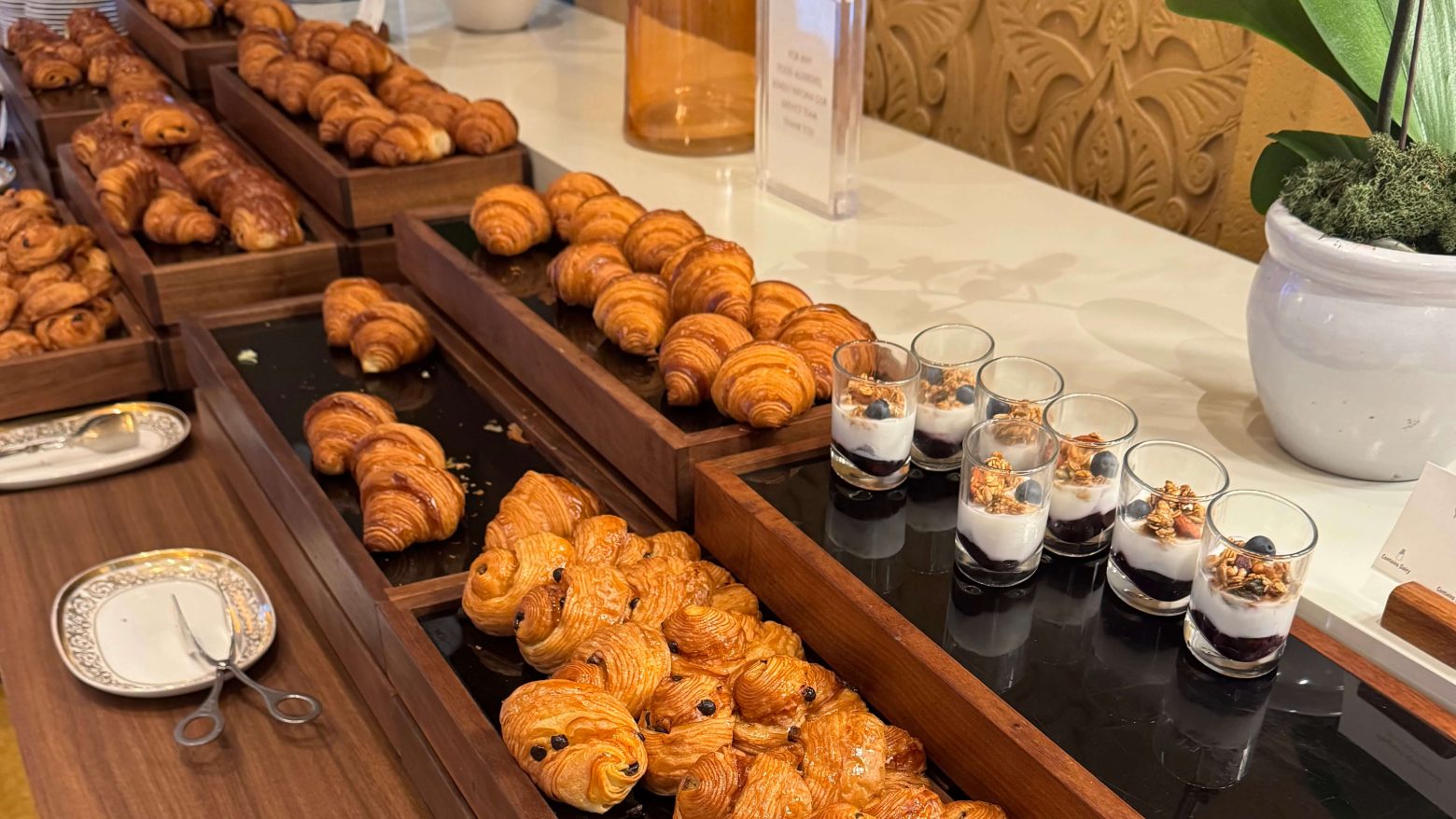
You land after a long-haul flight and go straight into a board presentation. The room is full of cookies, nuts and coffee. You are hungry, you cannot resist. That can mean hidden calories, maybe a glucose spike, and you cannot understand why you feel even hungrier after eating them.
The hotel’s idea of a healthy breakfast is a croissant and fruit juice with more sugar in it than the dessert you avoid back home.
At dinner, you’re across the table from an investor, ordering what feels like the safe choice, and by the next morning’s meeting you’re distracted by how bloated you are.
Three cities into a five-day trip, you realize you can’t remember your last actual vegetable, and you assume adrenaline and coffee will carry you through the last meeting.
Going straight from arrivals into due diligence or a negotiation, you realize twelve hours later that you haven’t had water since you landed. You struggle with a headache but you don’t know why.
How Coaching Helps
Most executives think they need time to focus on their health. The problem is that time never comes.
They need to learn how to navigate travel, be more aware, and make informed decisions instead of default ones. They need guidance from someone who understands their lifestyle. Back in finance, I knew what a 17-hour day looked like, back-to-back meetings in another country, living in hotel rooms, eating from minibars after getting back from work after midnight. Later, I learned I could make better choices among the same options.
What works better is planning around the trip itself. The idea is to control what you can control, not what you cannot. You control your choices from the menu, wherever you are. You cannot control the chef.
We talk about food regulations in different countries and how to make the right choices. We also cover lounge strategies, snacking strategies, and how much time you actually have for a real meal. If you don’t have time for one, you need two or three go-to options ready in advance. Social engagements need their own strategy too, including what to order to drink when clients attend lunch or dinner meetings with business partners.
The idea is to keep the system smart and efficient. It should fit around how the executive already works.
The goal isn’t a perfect trip. It’s a gut and a body that aren’t starting from zero the moment you land.
Practical Tips You Can Start Today
Nourish your body with a balanced meal when you can. Don’t skip meals or wait for the perfect time to eat, or you’ll end up grabbing whatever’s fastest instead.
Eat real food, and go easy on snacking. Snacks are where the hidden calories live, the ones you lose track of when you’re focused on work.
Drink water whenever you can, early in the day or later in the evening if you’d rather not think about the washroom during meetings. Dehydration can contribute to headaches, especially when you’ve gone for hours without drinking enough water.
Pay attention to what’s on the plate. Don’t try to survive on just meat and salad. Cooked vegetables are often easier on digestion than raw ones, and you still need the right carbohydrates for cognitive and mental performance.
Include fermented foods such as Greek yogurt or kefir when you can. They can be one useful part of a varied diet that supports gut health.
Key Takeaway
The trip itself is part of the executive package. The problem is the ingredients you can’t control, the choices you make when you order food, or even when you grab a snack, the water you forget to drink. You can’t control the kitchen. You cannot carry your meal box across continents. Blaming your travel for disrupting your routine won’t solve it. You’d better learn how to survive it.
Related Reading
Why Generic Wellness Advice Fails Senior Executives

0 Comments