
Most executives are used to pushing through. We call it either discipline or willpower. It’s what got you there. So when a new habit doesn’t last, they usually blame their self-discipline first. However, it’s rarely the real problem.
I always questioned my discipline when I was on strict diets or hitting the gym every day but not getting the results of my efforts. I eventually realized I was not lacking discipline. I was simply expecting discipline to do too much.
What Do We Mean by Self-Empathy and Self-Discipline?
Self-discipline means pushing yourself to do something even when you don’t really want to. You wake up early, skip dessert, or finish a workout you do not feel like doing. Self-empathy is different.
Self-empathy means trying to understand what is actually going on. Why are you exhausted? Why is the habit not sticking? You try to understand the reason without turning it into a character flaw.
They are not opposites. Many senior executives rely heavily on discipline because their careers have rewarded it for years. Self-empathy was never part of the performance review.
In practice, discipline is what gets you to the gym at 6am even when you do not want to go. Self-empathy is what stops you from writing off the whole week after you skip one session.
Why Does Self-Discipline Alone Often Fail?
Discipline can work in the short term. The challenge is keeping it going for months, especially in a demanding senior role.
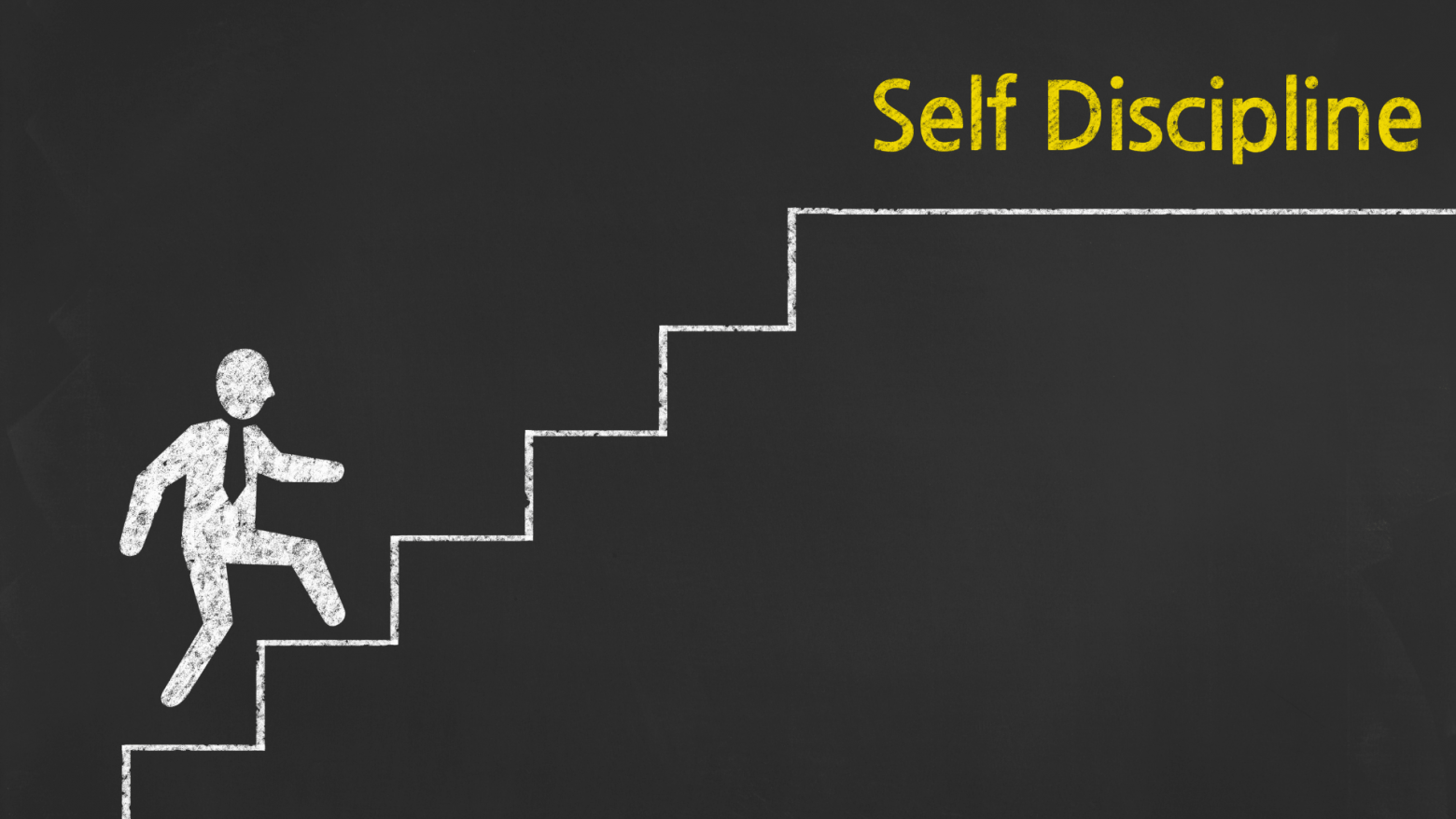
A common pattern is starting a new habit very intensely. Then a difficult week comes, one missed day becomes three, and the habit slowly disappears. Frustration follows, and the next attempt usually starts with even more pressure.
One executive told me he wants to start like a Turk and finish like a German: start with intensity, but also have the discipline to follow through. I liked that approach, and it is quite true.
What Does the Research Say?
Research supports this idea. A 2023 review led by Kristin Neff looked at self-compassion, motivation, wellbeing, burnout, and resilience. It found that self-compassion does not reduce motivation as many people assume. Instead, it is linked with better wellbeing, less burnout, and greater resilience under stress (Neff, 2023).
I see something similar with my clients. Harsh self-criticism rarely makes them try harder. Most of the time, it makes them want to avoid the situation completely.
You miss a workout and feel bad about it. Then avoiding the next workout becomes easier than facing that feeling again.
I see the same thing with food. People who criticize themselves after a cheat meal often struggle more. Others enjoy it, move on, and return to their routine.
How Does Self-Empathy Actually Build Better Habits?
Self-empathy does not mean lowering the bar. It means understanding what happened and continuing without turning one setback into a bigger one.
It Keeps You in the Game Longer
Missing one day does not mean the habit is over.
Self-empathy helps you return the next day instead of writing off the whole week.
It Tells You What Actually Needs to Change
Self-discipline helps you push through resistance. Self-empathy helps you understand where that resistance comes from. Maybe the timing is wrong, the environment does not support you, or the plan is unrealistic. Sometimes the habit is fine, but the plan around it needs to change.
I see this often with HIIT training. If your body feels exhausted or highly stressed, pushing through a hard session can increase injury risk. I see a similar pattern with many of my clients at the beginning of our work together. They go to the gym for cardio almost every day, even when their body feels tired.
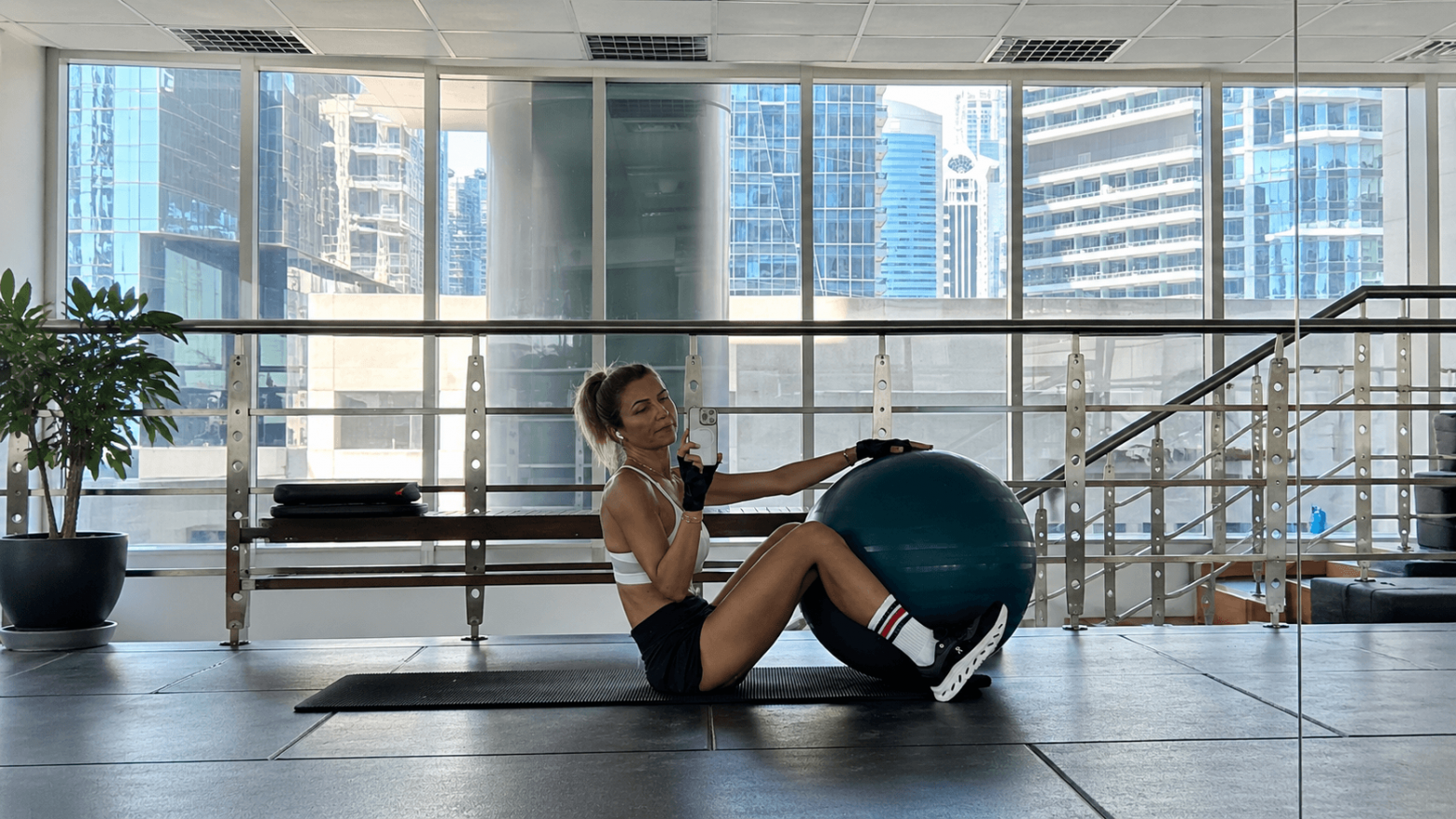
Sometimes I suggest a rest day so they can return with more energy and perform better. I learned the same lesson myself. I now go to the gym a maximum of three times a week and still see great results. Many people assume I train every day. I always say quality over quantity.
Does This Mean You Should Go Easy on Yourself?
No. Self-empathy does not mean lowering your standards. It’s what makes it possible to maintain those standards for longer than two weeks.
Discipline still matters. It gets you started. Self-empathy is what keeps you going after the motivation is gone, which happens to everyone, executives included.
Executives sometimes worry that self-empathy is a soft option, something for people who don’t perform under pressure. In my experience, it’s the opposite. The executives who sustain performance over years, not just quarters, are usually the ones who’ve learned to recover from a bad week without turning it into a bad quarter.
How Can You Apply This as a Senior Executive?
Start by noticing the tone you use with yourself when a habit slips. Would you use the same tone with a respected team member?
I often ask my clients how they treat their favourite person on the team. They usually say they show empathy. That person delivers quality work and has earned their trust, even when they slow down occasionally.
Then I ask why they treat themselves with much harsher criticism. They deserve the same empathy, especially given how much they already carry.
Build some flexibility into your plan from the beginning. Two workouts you can move may work better than five fixed sessions.
Progress usually lasts longer than perfection.
A Client Testimonial About This
One of my clients described this change better than I could:
I’m so grateful to have had Melek as my wellness coach for 16 weeks. ❤️ She was always so responsive, supportive, and such a wonderful example.
This journey changed my relationship with food and with myself. I learned to understand what my body needs, let go of guilt, forgive myself, and feel stronger and more confident in my training.
Having Melek in my life was truly meaningful. Thank you, Melek, for changing the way I see food, my body, and myself. I’ll always be grateful for this journey. ❤️
Key Takeaway
Self-discipline can help you start a habit. Self-empathy helps you continue when things do not go as planned.
You need both. Discipline gives you direction, while self-empathy helps you return after a setback.

0 Comments