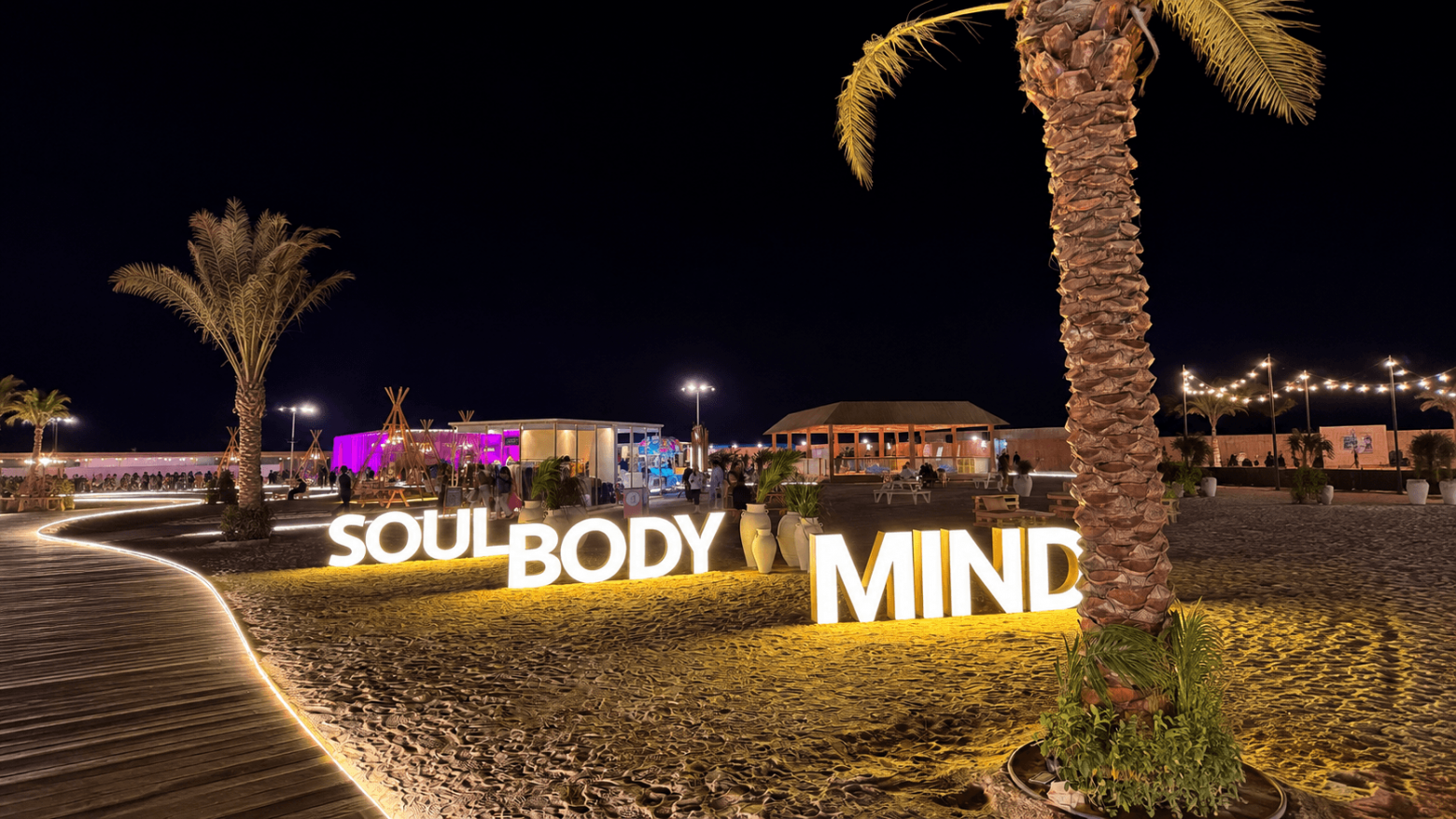
Many executives might think of wellness as a wellness retreat in Switzerland or Bali, a few days in a darkness retreat, a weekend at a five-star spa, a meditation app on the phone. Wellness tourism alone reached 894 billion dollars in 2024, up nearly 14 percent from the year before (Global Wellness Institute), and a meaningful share of that spending comes from exactly this audience: high performers paying to feel, for a few days, what their normal life doesn’t give them.
These experiences genuinely help while you’re there. However, the problem is that when you land, you’re the same old you, back in your demanding life.
The Retreat Doesn’t Fix What Happens After You Land
A 2024 study from Oxford’s Wellbeing Research Centre, published in the Industrial Relations Journal, looked at exactly this question, whether wellness interventions actually move the needle on how people feel day to day. It found that popular interventions like mindfulness apps, wellness classes, and coaching sessions showed little to no measurable effect on people’s actual wellbeing (Fleming, 2024).
That’s not an argument against a good retreat. It’s an argument for not expecting five days in Bali to undo fifty weeks of everything else.
I sometimes get this question from prospects too: what tangible results have your clients achieved? What I can tell you is what tends to shift: steadier energy through the day, a mood that holds up under pressure, happiness noticed by the team and the family. Feeling great is hard to put a number on. What I offer is built around one person’s actual life, which is exactly why it works when generic interventions don’t.
What Wellness Actually Means
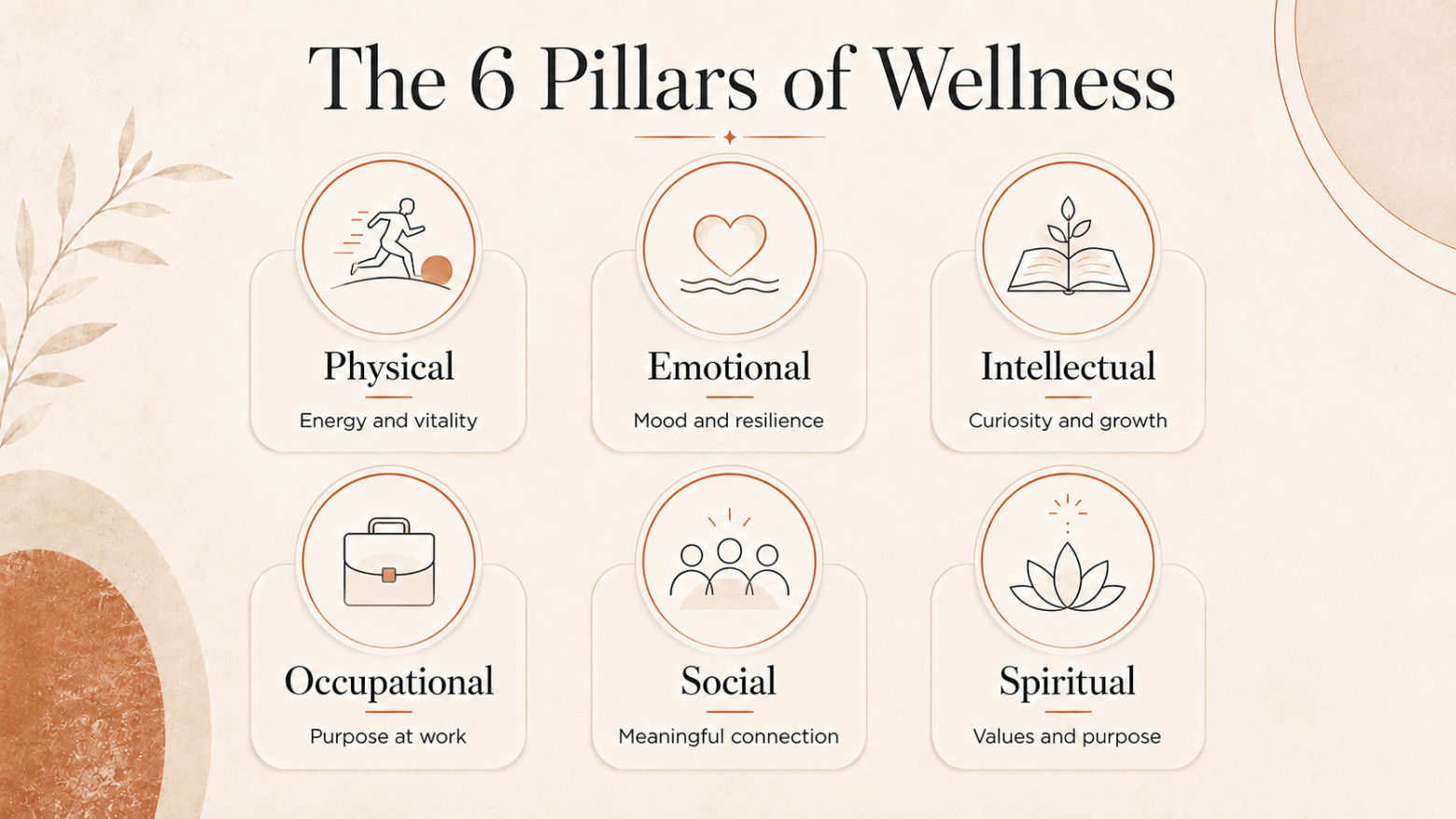
The National Wellness Institute defines wellness across six dimensions: physical, emotional, intellectual, occupational, social, and spiritual (National Wellness Institute). Real wellness comes from how these six areas work together in everyday life. Many people focus heavily on one dimension, often during a holiday or retreat, while the others receive very little attention for the rest of the year.

Physical Wellness: Energy That Holds Up
This is the dimension executives already understand well. Training, sleep and nutrition all belong here, and most senior executives already take at least some of them seriously.
Honestly, physical wellness is about more than how hard you train. It is also about whether your energy holds up through a demanding day. Are you sharp at 9am and still sharp at 5pm without relying on caffeine to get through the second half?
Emotional Wellness: A Mood You Don’t Have to Manage
Emotional wellness means recognizing what you are feeling and choosing how to respond, especially under pressure. It does not mean staying positive all the time.
Most executives already know how to manage a difficult mood in the moment. They may take a breath before a hard call or reset between meetings. That can help. But there is also a difference between managing your mood repeatedly and having a mood that stays more stable throughout the day. That steadiness is influenced by how well the other five dimensions are working together.
Intellectual Wellness: Staying Sharp, Not Just Busy
A full calendar does not always mean your mind is being challenged in the right way.
Intellectual wellness is about staying curious, learning outside your immediate work and exposing yourself to ideas that make you think differently.
Executives may not notice when this starts to fade because they are still busy. But being mentally occupied all day is different from giving your mind something new to work with.
Occupational Wellness: Meaning Inside the Demand
Occupational wellness does not mean having an easy job. It means your work still connects to something that matters to you, not just to the business.
A lot of senior executives struggle with this quietly. A demanding role can still hold meaning, but you have to actively keep that connection to purpose alive. When you stop doing that, even work you used to love can start to feel like dead weight.
Social Wellness: Connection at the Top
Senior roles can be lonely. You have fewer peers, fewer people who will speak honestly with you, and less time for anyone outside work.
Social wellness is about protecting real connection on purpose. People who know you as a person, not just by your title.
This is often one of the first things executives drop because it rarely feels urgent. But when that connection disappears, you usually feel the impact.
Spiritual Wellness: Knowing Your Why
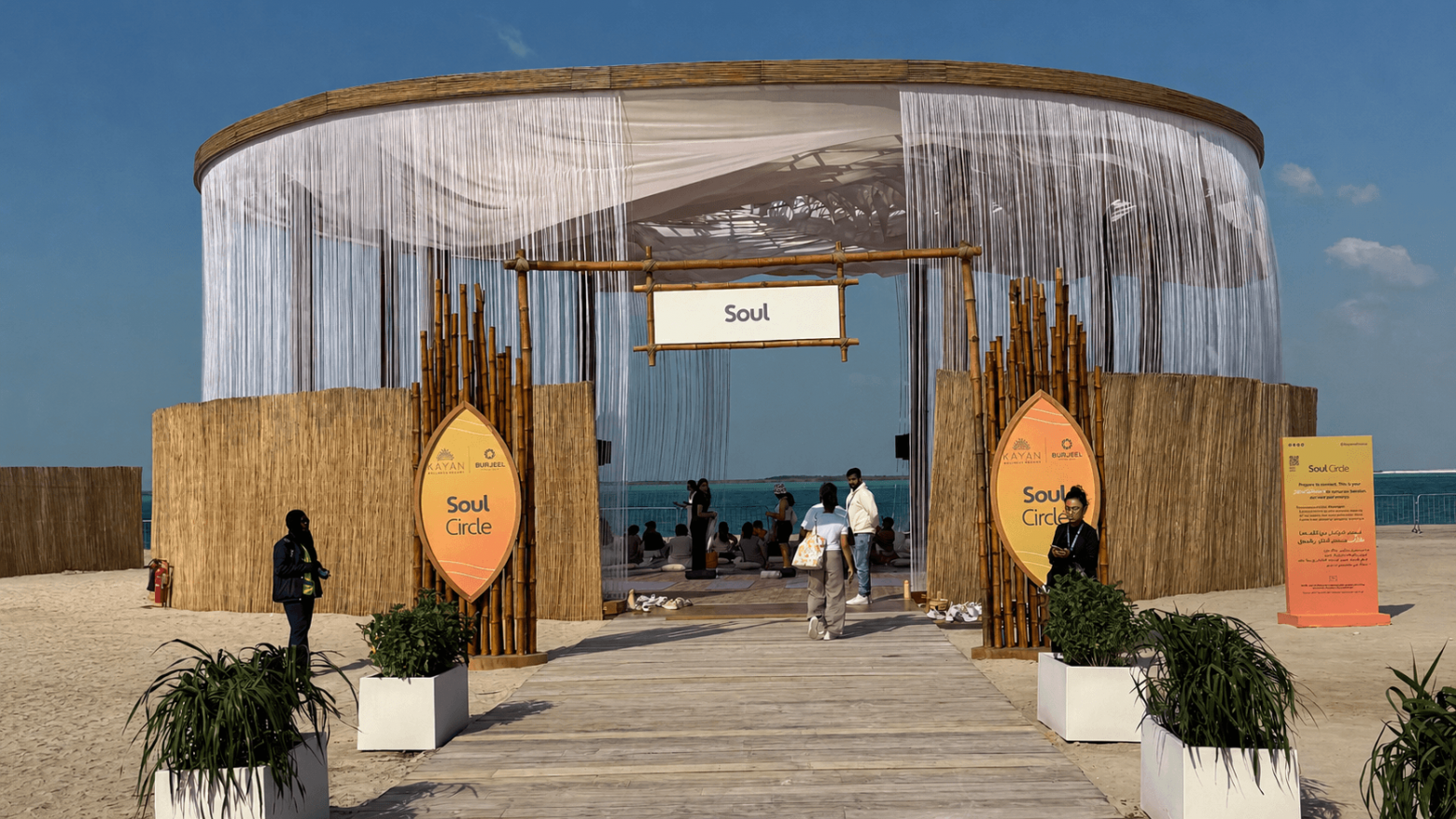
This pillar may sound like it is about religion, but it is not. Spiritual wellness is about having a sense of purpose and values that guide your decisions, and knowing why the hard parts of the job are worth it beyond the next target or title.
Executives who have this tend to handle setbacks differently. A hard week feels more manageable when it is connected to something you genuinely care about. Without that sense of purpose, the same week can feel much heavier.
Why Balance Matters More Than Any Single Pillar
High performers often put most of their attention into the area they feel they can control best, usually physical or occupational wellness. The other dimensions can gradually receive less attention.
You may be physically fit and professionally successful, but still feel isolated or disconnected from a sense of purpose. In that case, two areas may be working well while the others are struggling.
Over time, that imbalance can show up in your energy, mood and ability to stay mentally sharp.
Key Takeaway
Real wellness is physical, emotional, intellectual, occupational, social and spiritual health working together in your ordinary weeks. A retreat once or twice a year can be part of that, but the other fifty weeks still matter.
Most executives do not neglect wellness. They often put most of their attention into the one dimension a retreat can reach, while the other five quietly slide.
Building balance across all six into your everyday life is what protects your energy, mood and performance, not how you spent last weekend.
Related Reading
Why Generic Wellness Advice Fails Senior Executives

0 Comments