
Men over 40 might look fit, exercise regularly and have a normal weight, yet still carry visceral fat associated with higher cardiometabolic risk.
Research shows that visceral fat is strongly associated with cardiometabolic risk factors, including blood pressure and blood lipids, with the association particularly relevant in men over 40.
However, many executives still focus primarily on the number on the scale.
Here is why your body composition deserves closer attention.
What Visceral Fat Actually Is
Fat is not all the same.
The fat you can see or pinch sits just under the skin. Visceral fat is different. It sits deeper inside the abdomen, around organs such as the liver and intestines.
More importantly, visceral fat is metabolically active. Research published in the International Journal of Obesity found that visceral fat mass was a strong predictor of cardiometabolic risk, particularly in men over 40.
Here is what that means in practice.
Two people can have the same BMI. One may carry more fat under the skin, while the other carries more fat around the abdominal organs.
On paper, they may look similar, but what is happening inside their bodies can be very different.
Why “Normal Weight” Does Not Tell You Enough
Research involving more than 15,000 adults found something particularly relevant for men.
Men with a normal BMI but central obesity had an 87% higher risk of all-cause mortality than men with a similar BMI without central obesity. Their mortality risk was also higher than that of men classified as overweight or obese by BMI alone without central obesity.
Women were also affected. In the same research, women with normal-weight central obesity had a 48% higher mortality risk than women with a similar BMI without central obesity.
Further research following 9,856 adults for seven years found that normal-weight central obesity was associated with a 21% higher risk of heart disease and a 40% higher risk of stroke compared with normal weight without central obesity.
The point is simple. You can look healthy on paper and still carry central fat associated with increased health risk.
Why It Is Easy to Miss After 40
Your body composition changes as you age, even when your weight remains relatively stable.
Research on ageing and body composition shows that lean mass tends to decrease while body fat and abdominal fat can increase, sometimes independently of changes in body weight or BMI.
You can therefore weigh exactly what you weighed several years ago while carrying a different ratio of muscle to fat. The scale might not show you that.
This is why I look beyond body weight and pay attention to waist measurement, body composition, clothing size, muscle mass, fat mass and how these markers change over time.

What This Looks Like in Real Life
You weigh roughly the same as you did five years ago, but your shirts do not fit anymore.
Your BMI is within the normal range.
You exercise regularly.
You feel relatively fine.
Yet your body composition may have changed.
I see this frequently in my work as an Executive Health & Performance Coach. Many of my male clients look fit from the outside. They may initially come to me to work on their sleep, energy, nutrition or sustainable habits.
Once we start looking at the broader picture, body composition often becomes another area that deserves attention.
The initial concern may be sleep or energy, while the broader lifestyle and health picture tells us much more.
How Coaching Can Help
My focus as a coach is the process.
I look at the person’s lifestyle, understand what is driving the current result and make adjustments according to the target.
I apply the same approach personally.
My weight has remained relatively stable for approximately 12 years, yet my body composition and clothing size have changed. I feel better now that I am over 40, after having adjusted both my nutrition and the way I exercise.
The number on the scale alone would never have shown those changes.
This is why I encourage my clients to look beyond weight and follow body composition, waist measurement, clothing fit and how these markers change over time.
One measurement tells you where you are at that point. What matters more is how those numbers change over time.
Nutrition and Exercise Both Matter
Nutrition is the foundation. In my experience, around 80% of a fit body comes from nutrition.
For executives, the right nutrition strategy should be sustainable. It should be easy to follow during normal working days, business dinners, travel and changing schedules. This is why my approach goes beyond macro-balanced nutrition. Meal composition, food quality, timing and consistency all need to fit the person’s actual life.
I always say we need to focus on what we can control. Our food choices are the only variable we can control every day, wherever we are.
In parallel, exercise supports the process by helping preserve and build muscle and improve body composition. I hear many executives say they try to go to the gym almost every day. With the right schedule, two focused hours of exercise per week may be enough to make progress. It is about playing smart, not hard.
When nutrition and exercise work together, muscle can increase while fat decreases. And this is exactly where the scale can become misleading. You may see a relatively small change in body weight while your waist measurement, clothing size and body composition are moving significantly in the right direction.
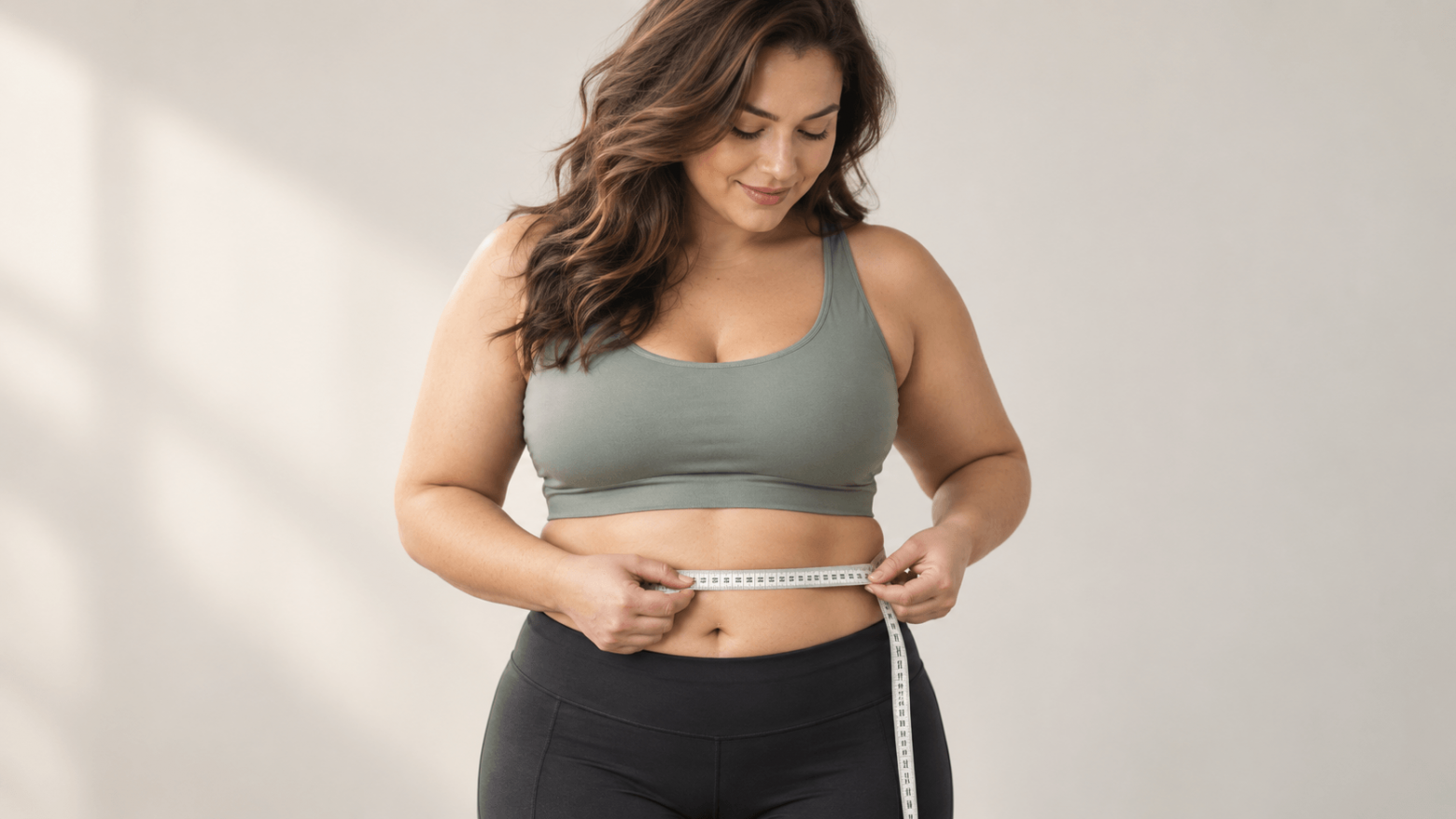
Why Body Composition Matters More Than a Single Number
For many years, weight and BMI have been the standard measures used in weight management because they are simple, accessible and easy to track.
Recently, I attended a workshop organised by seca, where David Voellinger, MD, Bariatric Surgeon at Novant Health in Charlotte, mentioned why the focus is increasingly moving beyond weight and BMI. He explained that while weight and BMI have traditionally been used to monitor progress, they do not always provide the most meaningful clinical picture. Body composition, particularly the percentage of body fat and muscle, can tell us much more about what is actually happening in the body.
This is also how I approach progress with my clients. We track body composition consistently because one measurement tells us very little. The trend over time tells us much more.
The point is not only to watch the number on the scale, but to follow the numbers that actually matter.
Practical Tips You Can Start Today
Measure your waist, not only your weight. Get your measurements or check-ups regularly. Research on fat distribution shows why central adiposity deserves attention even when BMI remains within the normal range.
Build nutrition around your real life. Your strategy needs to work during demanding work days, travel, dinners and social engagements.
Check your body composition periodically. One measurement tells you very little. What matters is the pattern over time.
Prioritize strength training. Muscle naturally declines with age, and preserving the muscle helps slow the shift of fat toward your middle.
Pay attention before a health scare gives you a reason to. Looking fit, feeling well and having a normal weight do not tell you everything about your body composition.
Key Takeaway
Your weight can be normal. You can exercise regularly, look fit and feel good. But after 40, those signals no longer tell you enough about what is happening inside your body. This is when you need to look beyond the scale and start tracking the markers that give you a clearer picture. Measure your waist. Understand your body composition. Follow the changes over time. Then use that information to adjust your nutrition, exercise and lifestyle with more precision.
Related Reading
How Executives Can Eat for Stable Energy and Mood
Why “Eating Healthy” Isn’t the Same as Eating Balanced
Overtraining Without Realizing It: Signs to Watch For

0 Comments