
Most executives I work with already try to eat healthy.
They choose the salad over the sandwich. A protein bar may replace the steak with fries. The smoothie can feel like the better choice than coffee with milk.
And yet energy still crashes by 4pm. Weight does not move the way effort suggests it should. Something does not add up.
The problem is the difference between a food that looks healthy and a diet that is actually balanced.
What Is the Difference Between Healthy and Balanced?
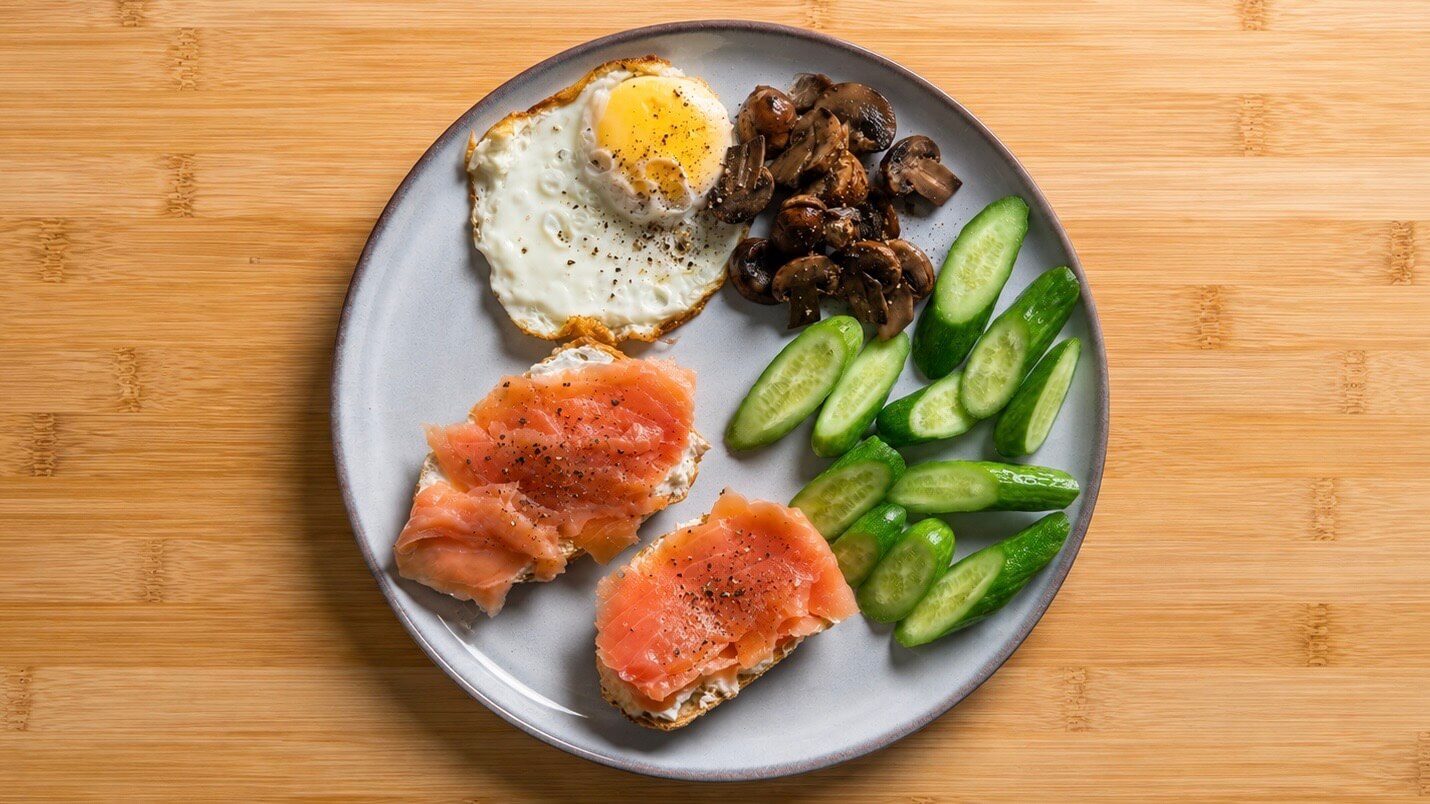
“Healthy” is a label. Balanced is a structure.
A food can be healthy in isolation, low in sugar, high in fiber, organic, and still leave a meal unbalanced if it is missing protein, or if portion size has quietly doubled because the label made it feel safe to eat more.
This is not a new observation. A well-known study by Brian Wansink and Pierre Chandon found that low-fat labels lead people, including normal-weight consumers, to eat more of a snack than they would without the label. The label reduced guilt and increased the perceived acceptable serving size, so people served themselves more and ate more, believing the choice was already healthy. (Wansink & Chandon, 2006)
This is often called the health halo effect. One positive claim on a package, low-fat, no sugar, keto, high-protein, gluten-free, makes the entire product feel virtuous, even when the rest of its nutrition profile does not support that impression.
Once a client told me she doesn’t eat refined sugar or gluten but cannot lose weight. When we discussed what she ate in a typical day, most of her calories were coming from “healthy foods”.
Why This Is Easy to Miss
Executives are trained to make fast decisions under limited information. That skill works well in the boardroom and works against you at the grocery store.
A label that says “high protein” gets grabbed without checking the sugar content next to it. A green juice looks like the responsible choice, and often carries more sugar than the soda it replaced. A salad ordered as the healthy option arrives with barely any protein and enough dressing to offset the vegetables underneath it. A gluten-free bread looks like a safe choice, until you read it has more than 10 ingredients.
The problem is that they are incomplete meals wearing a healthy label, and a fast decision does not catch what the label does not say.
What This Looks Like in Real Life
You grab a protein bar between meetings, convinced it counts as a proper meal, then wonder why you are hungry again an hour later.
A “clean” smoothie bowl with granola on top may carry more calories and sugar than the dessert you skipped.
At lunch, a large salad can feel like the virtuous choice, yet leave you unusually tired by 3pm if it contains almost no protein.
Gluten-free cookies can feel like permission to eat more than you otherwise would.
What Balanced Eating Actually Looks Like
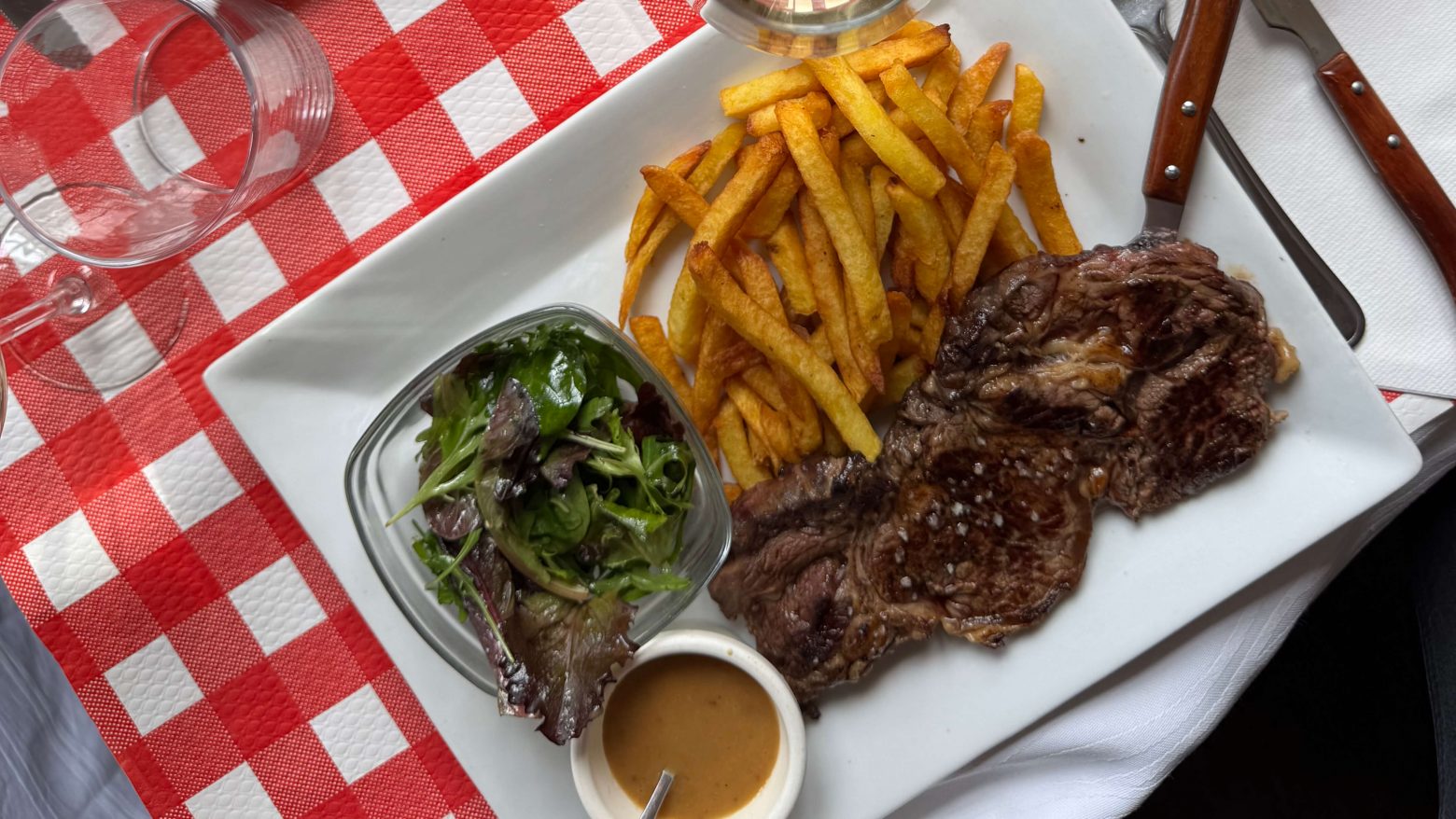
Harvard’s Healthy Eating Plate, built by nutrition researchers at the Harvard School of Public Health independent of food industry input, offers a simple structure: half the plate as vegetables and fruit, a quarter as protein, and a quarter as whole grains, with healthy fats included throughout. (Harvard Health) These are the basics. As an executive, you need a more detailed strategy layered on top of this. You need to add your age, your activity level, cognitive performance, your weight and more.
Balance is not about eliminating a food group or chasing a label. It is about whether a plate, taken as a whole, gives the body what it needs. A meal built around a single “healthy” item almost never does that on its own.
This also explains why two people can eat completely different diets and both be genuinely balanced. Balance is a ratio across the plate. It’s not a fixed list of approved ingredients. A grain bowl and a Mediterranean-style plate can both hit the same proportions while looking nothing alike, which is why rigid food rules tend to fail faster than a flexible structure does.
How Coaching Helps Build This
Most clients don’t need a stricter list of approved foods. They need a way to see what a plate needs to have.
I don’t tell clients what to eliminate. I look at what a typical day already includes, and we work out where protein, fibre, carbohydrates or a real portion of vegetables is missing, then build around what they already eat rather than replacing it with something new. The clients find nutritious food for that particular day wherever they are.
The goal is a system that works on a demanding week travelling across continents, but not another list of rules that only works when life is calm and at home.
Practical Tips You Can Start Today
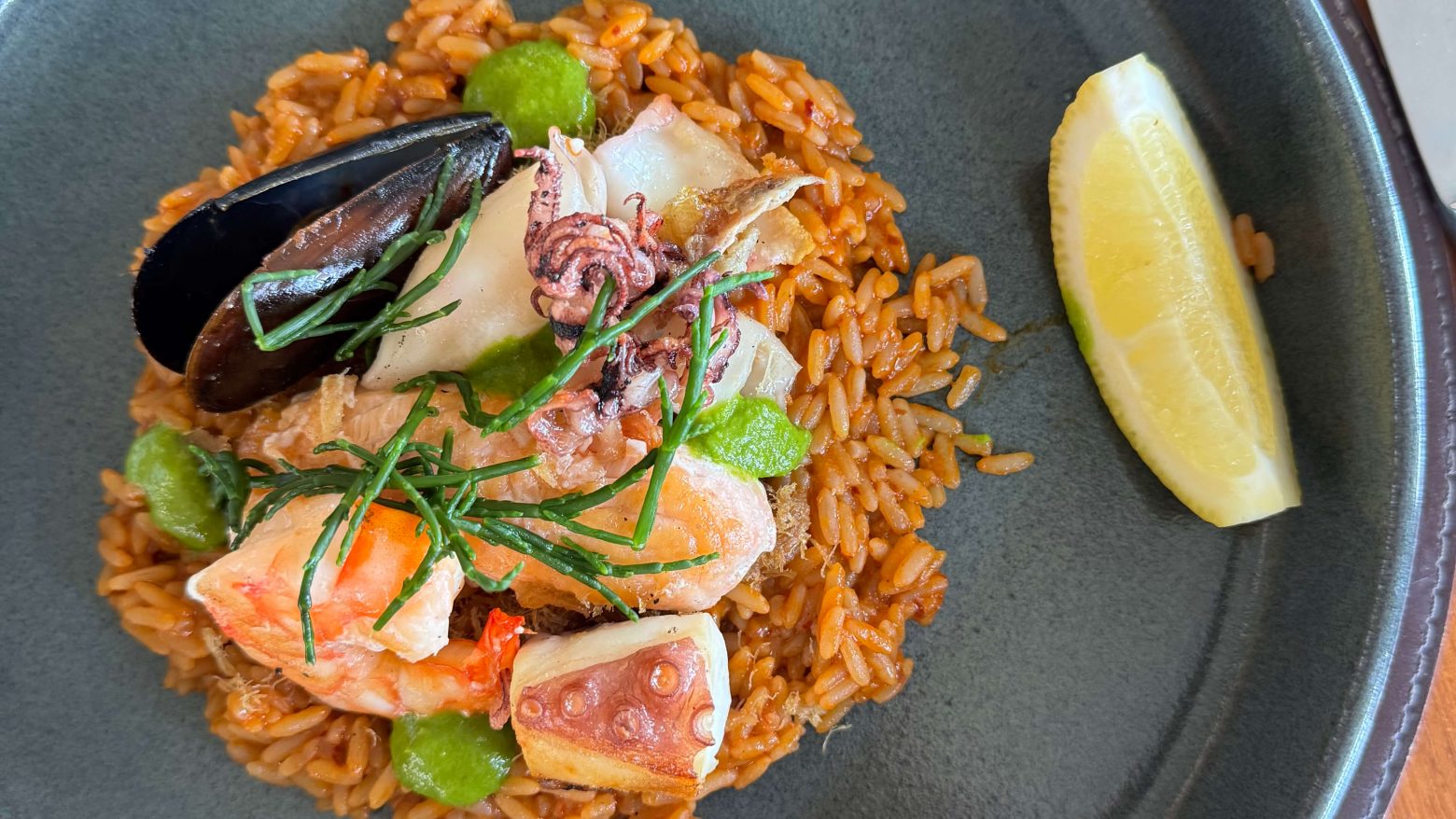
Pair every “healthy” snack with a protein source. A protein bar alone is not a meal. Prioritize real food.
Check the ingredients. If it contains more than 5 ingredients it is not a food, it is a product.
Check the sugar line before the fat or calorie line. A product marketed on one virtue, low-fat, organic, natural, often hides its actual weakness on a different line entirely.
Build your plate before you build your snacks. If lunch already follows the half-vegetables, quarter-protein, quarter-grain structure, you will naturally want less from packaged extras later.
Prefer real food over packaged one. Don’t forget that packaged food has a shelf life and to keep it as long as possible, there are some preservatives.
Treat serving size on the label as a guess, not a rule. Wansink and Chandon’s research shows the number on the package shapes how much you serve yourself, regardless of what your body actually needs.
Ask what is missing, not what is wrong. Before eating a “healthy” packaged item, check what the plate around it still needs, protein, fibre, carbohydrate or a vegetable, rather than scanning it for what to cut.
Key Takeaway
Eating healthy and eating balanced are different things. Eating healthy asks whether a single food looks virtuous. On the other hand, eating balanced asks whether your plate, as a whole, gives your body what it actually needs. If you understand the difference, the labels will matter a lot less.
Related Reading
Why Generic Wellness Advice Fails Senior Executives

0 Comments