
Most executives treat training the way they treat work. More effort means more results. So when progress stalls, the instinct is to push harder, add another session, cut rest even shorter.
You may not notice the problem straight away. You can keep pushing for weeks or even months before realizing the extra effort is working against you.
What Is Overtraining?
The clearest research on this comes from a joint statement by the European College of Sport Science and the American College of Sports Medicine. It splits hard training into three stages.
The first stage is short and useful. You train hard, you rest, and you come back stronger. The second stage goes further: performance drops, and it takes weeks to bounce back. The third stage is the worst one. Researchers call it “prolonged maladaptation,” and recovery from it can take months. (Meeusen et al., 2013)
Working hard is not the issue. The issue comes when your body does not get enough rest to recover from that effort. And here’s the tricky part: someone getting stronger and someone getting worn out can look exactly the same for weeks. You can’t tell just by looking.
Why This Is Easy to Miss
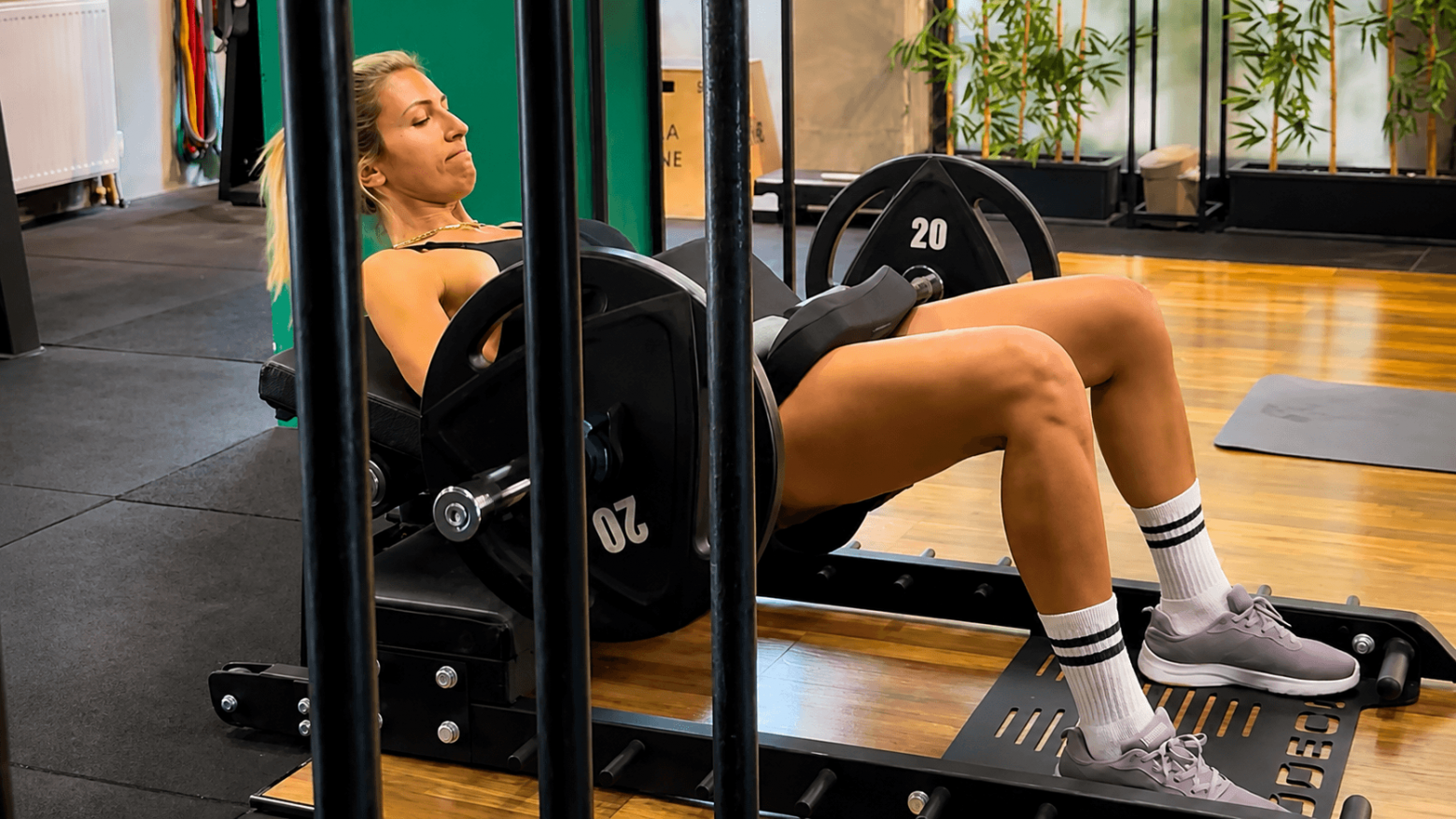
Executives learn that effort is always a good sign. Pushing through pain gets rewarded everywhere else in their life, so a workout that feels harder than it used to gets read as “I need to try harder,” not as a sign to slow down. I remember receiving a picture from a CEO with a caption of “punishment time.”
Training is also often the one part of the day an executive is fully in charge of. Work is unpredictable, meetings get moved around, but a workout is something they choose. That makes it easy to keep adding more even when the body needs less, because cutting back can feel like giving up the one thing that’s going right. It was the same for me back in finance. I was adjusting my gym sessions around my agenda. There were days I trained at 5am, or 11:30pm at a hotel gym while traveling for work, squeezed in before or after back-to-back meetings.
What This Looks Like in Real Life
You’re training just as often as always, but weights that used to feel easy now feel heavy. Not for one bad day, for weeks.
You sleep a full night and still wake up tired, and it doesn’t go away once the day starts.
You snap at people, at work and at home, more than usual, for no real reason.
A workout you used to look forward to now feels like a chore. You have to talk yourself into it.
Your watch shows your resting heart rate a few beats higher than normal, and you can’t explain why.
Signs to Watch For
Your results stop improving even though you’re working just as hard, or harder. This is the clearest sign, and it’s the one people ignore first, because the instinct is to push more.
Your resting heart rate goes up. If you track it, a higher number than usual is often one of the first warnings.
Your mood changes for no clear reason. Feeling irritable or low without a real cause is one of the signs researchers look for.
You can’t sleep well even though you’re exhausted, or you wake up tired no matter how long you slept.
You stop wanting to train, even for things you used to enjoy. When a workout feels like a task instead of something you want to do, pay attention to that.
Soreness sticks around much longer than usual, days instead of one or two.

How Coaching Helps
Most people only track their training: sets, reps, distance, pace. That alone won’t tell you if you’re getting stronger or breaking down.
With clients, I look at what happens around the training too: sleep, nutrition, hydration, mood, and how sessions actually feel, not just whether they got done. One bad week doesn’t mean much. The same pattern for several weeks does.
I work with ambitious people who want to train every day for better results. Once we look at the whole picture together, their calendar, nutrition, sleep, mood, and stress, and how all of it affects the body, they usually choose to rest on specific days. When they go back to the gym after that rest day, they feel the difference themselves.
The goal is to make sure the effort you’re already putting in is actually working for you, not to train less.
Key Takeaway
Working hard and making progress are not the same thing. Past a certain point, more effort can start working against you. If training feels harder for no reason, sleep isn’t helping, or you’ve lost interest in something you used to enjoy, it doesn’t mean you’re lacking discipline. It may simply mean your body needs more recovery, and it’s better to notice it now than after it takes months to fix instead of weeks.
Related Reading
How Sleep Affects Executive Performance

0 Comments